
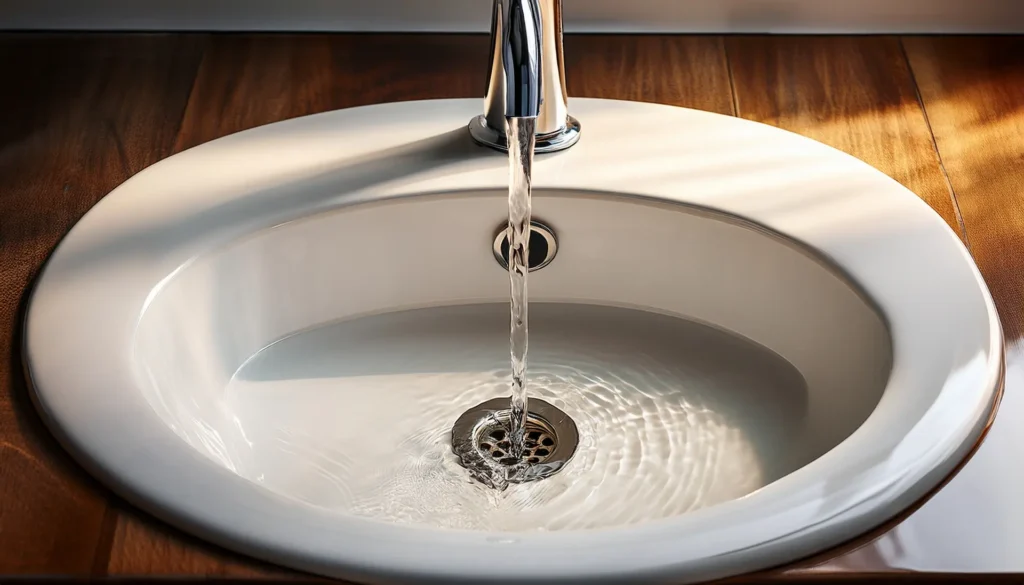
A slow drain is easy to brush off. You run the water, it takes a little longer to clear, and you move on with your day. But that sluggish sink or tub that pools around your feet in the shower is often the first sign that something is building up inside your pipes long before a full clog ever develops.
Getting ahead of it early is almost always simpler and less expensive than dealing with what comes next.
A Slow Drain Is a Signal, Not Just an Inconvenience
Most plumbing problems don’t arrive without warning. Slow drainage is one of the most consistent early signals homeowners can catch before a minor issue turns into a significant repair.
Here in South Mississippi, the combination of older housing stock, coastal humidity, sandy soil, and year-round heavy use puts local plumbing systems under more stress than many homeowners realize. Add in summer entertaining, extra guests, and kitchens running at full capacity, and the conditions are right for drainage issues to get worse in a hurry.
Understanding what causes slow drains gives you a clearer picture of what your plumbing is dealing with and when it makes sense to bring in a professional.
Common Causes of Slow Drains
Grease and Food Buildup
Kitchen drains take more abuse than most people expect. Cooking grease, soap residue, and small food particles flow down the drain and cool quickly once they hit the pipe. Over time, that residue sticks to the pipe walls and gradually narrows the opening water has to pass through.
The problem is cumulative. Each day adds a thin layer, and by the time drainage noticeably slows down, the buildup inside the pipe can be substantial.
Hair and Soap Scum
Bathroom drains face a different kind of buildup. Hair, soap residue, shampoo, and personal care products combine inside the drain and create a sticky mass that catches more material over time. Shower drains and bathroom sink drains are the most common culprits, and the issue compounds quickly in households with multiple people sharing a bathroom.
Tree Root Intrusion
This one surprises a lot of homeowners, but it is one of the more common causes of slow or recurring drain problems in established neighborhoods across the Gulf Coast.
Tree roots naturally follow moisture, and underground sewer lines are a reliable source of it. Roots can find their way into even the smallest crack or joint in a pipe and grow inward, creating a web that catches debris and restricts flow. Left unaddressed, root intrusion can cause significant pipe damage over time.
Sandy soil conditions common to coastal Mississippi can actually accelerate this process, as roots spread more easily in looser ground.
Foreign Objects
Items that get flushed or washed down drains when they shouldn’t be are another frequent cause of blockages. Wipes labeled as “flushable,” cotton balls, dental floss, and small toys find their way into pipes and lodge in bends or narrowed sections. Unlike organic buildup, these materials don’t break down and often require direct removal.
Pipe Deterioration and Damage
Older homes in the Biloxi area and throughout the Mississippi Gulf Coast have plumbing systems that have been in the ground for decades. Cast iron and galvanized steel pipes corrode from the inside over time, creating rough surfaces that catch debris more easily and restricting the inner diameter of the pipe.
Saltwater intrusion and coastal humidity can also accelerate corrosion in exposed or poorly protected sections of pipe. In some cases, pipes can develop bellies (low spots where water and debris collect), cracks, or partial collapses that create recurring drainage problems no amount of clearing will permanently fix on its own.
What Professional Drain Clearing Actually Does
When you call a plumber for a slow or clogged drain, professional clearing goes well beyond what a plunger or store-bought chemical can do.
Trained technicians use specialized equipment to break through blockages and clear the pipe from the access point to the main line. For tougher jobs, hydro jetting uses high-pressure water to cut through grease buildup, scour pipe walls clean, and flush debris out of the system entirely. It is significantly more effective than mechanical snaking for heavy buildup and leaves the pipe in far better condition.
Professional drain cleaning restores proper flow, reduces foul odors caused by trapped organic material, and relieves the pressure that slow drainage puts on the rest of your plumbing system.
What it does not always answer is why the problem happened in the first place.
The Step That Tells You What’s Really Going On: Camera Inspection
Clearing a drain solves the immediate problem. A sewer camera inspection tells you what caused it and whether it is likely to come back.
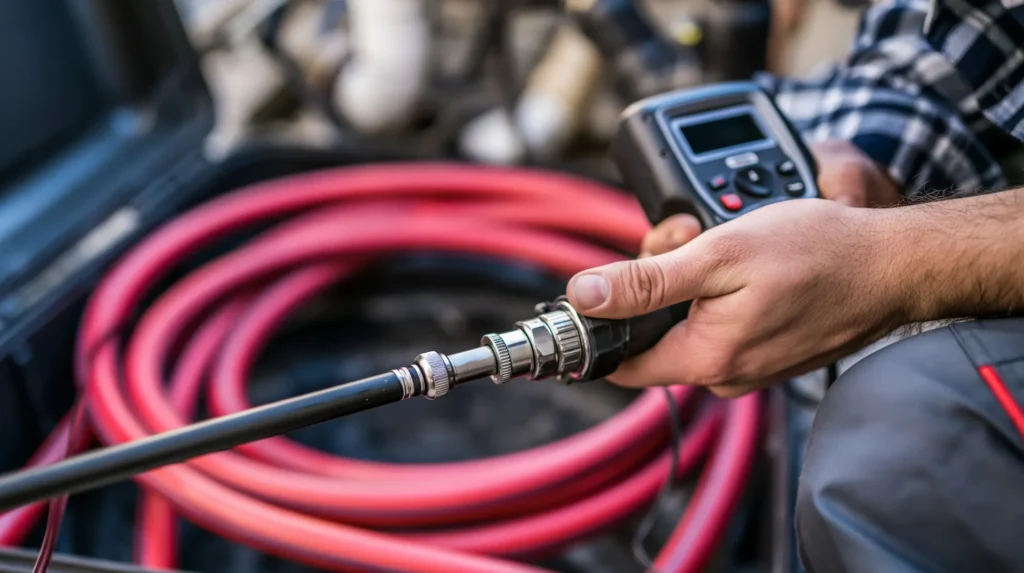
Using a high-definition waterproof camera fed directly into your drain and sewer lines, a technician can see the condition of your pipes in real time. There is no guesswork and no assumption. You see exactly what is happening inside the pipe and can make informed decisions about next steps.
What the Camera Can Find Inside Your Pipes
A camera inspection gives your technician a direct view of conditions that no other diagnostic method can match. Depending on what is found, the results shape exactly what repair or preventive work makes sense.
- Tree root intrusion and how far it has progressed
- Cracks, fractures, or partial collapses in the pipe wall
- Heavy grease or mineral buildup that clearing alone may not fully address
- Pipe bellies and misaligned joints where debris consistently collects
- Recurring problem areas that explain why the same drain keeps backing up
For homeowners who have dealt with the same slow drain or clog more than once, this is the step that breaks the cycle. Treating a symptom without understanding the underlying cause means the issue will resurface, often at a worse stage.
Camera inspections are also valuable when buying or selling a home, after any significant landscaping work near sewer lines, or simply as a periodic check on an older plumbing system.
When Slow Becomes Urgent
A slow drain is worth addressing at your own pace. If you are seeing multiple drains running slow at the same time, water backing up into tubs or floor drains, or sewage odors coming from fixtures, those are signs the problem has moved further down the line and warrants a call sooner rather than later.
Getting a technician out before drainage stops completely keeps the repair in a much more manageable category.
Frequently Asked Questions
How do I know if my slow drain is a simple clog or something more serious?
A single slow drain is usually a localized blockage. If more than one fixture is draining slowly, or if you notice gurgling sounds from other drains when water runs, the problem is likely further down the line and worth a professional look.
Can I use chemical drain cleaners to fix a slow drain?
Chemical cleaners can temporarily open a partial clog, but they do not remove the buildup from pipe walls and can damage older pipes with repeated use. For recurring problems, professional clearing is a more effective and safer long-term solution.
How often should drains be professionally cleaned?
For most households, professional drain cleaning every one to two years is a reasonable preventive measure. Homes with older plumbing, mature trees near sewer lines, or a history of clogs may benefit from more frequent service.
What is hydro jetting and when is it used?
Hydro jetting uses high-pressure water to scour the inside of a pipe clean. It is particularly effective for grease-heavy kitchen lines and for pipes with significant buildup that a mechanical snake cannot fully clear.
Does a camera inspection damage my pipes?
No. The camera is a flexible cable-mounted system that moves through the pipe without contact with the pipe walls. It is a diagnostic tool only and does not require any digging or disruption to your property.
What happens if tree roots are found in my sewer line?
Depending on how advanced the intrusion is, options range from hydro jetting to cut back roots and restore flow, to pipe lining or repair for cases where the root growth has caused structural damage. A camera inspection gives the technician what they need to recommend the right solution.
Can slow drains cause damage to my home if I ignore them?
Over time, yes. Persistent slow drainage puts back pressure on your plumbing system and increases the risk of a backup. Depending on the cause, unchecked pipe deterioration can also lead to leaks or structural damage in the pipe itself.
Get a Clear Answer on What Is Happening in Your Pipes
If you have a drain that has been running slow, or one that keeps coming back as a problem, the team at Ball Heating, Cooling, Plumbing and Electrical can help. Our plumbers serve Biloxi, Gulfport, D’Iberville, Gautier, Pascagoula, and communities across the Mississippi Gulf Coast.
Schedule your drain clearing and camera inspection today and find out exactly what is happening below the surface.
Call us at (228) 202-3435 or fill out the form below to request service.
Helpful Information For You And Your Home

Why Choose Ball Heating, Cooling, Plumbing & Electrical?

30% Utility Saving Guarantee

$500 INSTALLATION DATE GUARANTEE